

Standardising battery communication
BCC. Creating
synergies beyond
borders.
Together we empower global market leaders to engineer the technology of tomorrow. Join us to shape the battery technology of the future.
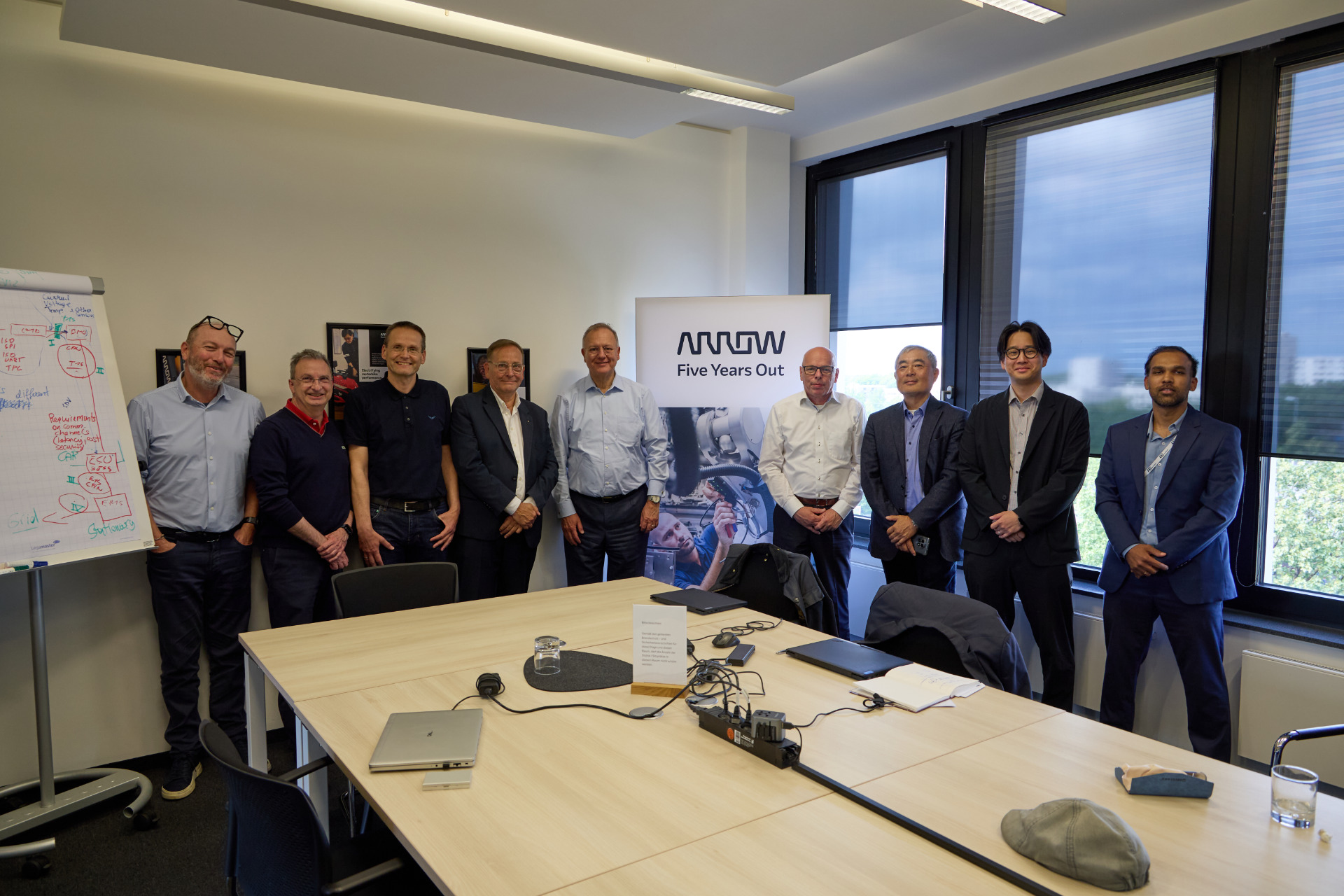
About BCC
We are BCC.
An international non-profit association (AISBL/VZW) based in Brussels, Belgium, focused on standardising and improving communication protocols, data exchange, and management interfaces for industrial and advanced battery systems.
Together, we empower global market leaders to engineer the high-impact technology of tomorrow. We aim to redefine industry standards through powerful synergies.
Members
Members
Extend your network.







Why Mission and Aim
Harmonise
Standardise communication data protocols and interfaces across the global battery industry.
Interoperate
Ensure cross-manufacturer compatibility, operational safety and better performance diagnostics.
Accelerate
Speed the transition to reliable energy storage and smart electric mobility through shared standards.
How Technical Work
Members contribute engineers to working groups that draft, review and publish open specifications. Deliverables are versioned, publicly documented and validated against multi-vendor test benches.
Working group 01
Protocol layer
Working group 02
Data models
Working group 03
Conformance
What Standards and Regulation
BCC specifications are written to align with the EU Battery Regulation, the digital battery passport and international standardisation bodies, so compliance work is done once and reused across markets.
EU Battery Regulation 2023/1542
How BCC interfaces map onto the regulation’s data obligations.
Digital battery passport
Identifier, provenance and lifecycle fields carried over BCC messages.
International liaison
Formal liaison with IEC, ISO and regional standardisation bodies.
Safety and cybersecurity
Baseline requirements for authenticated, tamper-evident battery data.
Who Governance and Structure
A general assembly of members elects the board; a technical steering committee chairs the working groups. Membership is open to industry, automotive and research organisations worldwide.
DECISION BODY
General Assembly
- All Core Members
- Sole voting body
- Elecects the Steering Committee members
- Approves the accounts and the budget
OPERATIONAL
Steering Committee
- One representative per Core Member
- Validates outputs of all Committees
- Oversees day-to-day governance
TECHNICAL WORK
T&S Committee
- Develops technical specifications
- Drives standardisation requests
- Working Groups under its remit.
OUTREACH
COM Committee
- Coordinates website and communication
- Manages media approvals and public representation guidelines
Technical Work
Working group 01
Protocol layer
Working group 02
Data models
Working group 03
Conformance
Standards and Regulation
EU Battery Regulation 2023/1542
How BCC interfaces map onto the regulation’s data obligations.
Digital battery passport
Identifier, provenance and lifecycle fields carried over BCC messages.
International liaison
Formal liaison with IEC, ISO and regional standardisation bodies.
Safety and cybersecurity
Baseline requirements for authenticated, tamper-evident battery data.
Membership
Join BCC
Cell and pack manufacturers, OEMs, integrators, inverter and BMS vendors, test houses and research institutes. If your product speaks to a battery, your voice belongs in the specification.
01
Shape the future of battery communication standards
Help define technical specifications and communication protocols for battery systems while contributing to interoperability standards that can influence European and global standardisation efforts through organisations such as CEN-CENELEC, ISO and IEC.
02
Influence industry direction
Participate in working groups and committees developing future battery communication standards while gaining direct involvement in discussions related to the EU Battery Regulation and Battery Passport requirements.
03
Collaborate across the battery value chain
Join a network that includes semiconductor manufacturers, cell and pack makers, BMS developers, OEMs, storage players, system integrators and connector specialists.
GOVERNANCE STRUCTURE
DECISION BODY
General Assembly
- All Core Members
- Sole voting body
- Elecects the Steering Committee members
- Approves the accounts and the budget
OPERATIONAL
Steering Committee
- One representative per Core Member
- Validates outputs of all Committees
- Oversees day-to-day governance
TECHNICAL WORK
T&S Committee
- Develops technical specifications
- Drives standardisation requests
- Working Groups under its remit.
OUTREACH
COM Committee
- Coordinates website and communication
- Manages media approvals and public representation guidelines
WHY JOIN BCC
Shape the future of
battery communication standards
Help define technical specifications and communication protocols for battery systems while contributing to interoperability standards that can influence European and global standardisation efforts through organisations such as CEN-CENELEC, ISO and IEC.
Influence industry direction
Participate in working groups and committees developing future battery communication standards while gaining direct involvement in discussions related to the EU Battery Regulation and Battery Passport requirements.
Collaborate across
the battery value chain
Join a network that includes semiconductor manufacturers, cell and pack makers, BMS developers, OEMs, storage players, system integrators and connector specialists.
MEMBERSHIP CATEGORIES
CORE MEMBER
General Assembly
Full rights under Belgian Law, Shape BCC from day one.
- CORE MEMBER Voting rights at General Assembly
- Seat eligibility on Steering Committee
- Lead Working Groups
- Liaison officer rights to stan.
bodies
ORDINARY MEMBER
Steering Committee
Full participation in technical and communication work without voting rights at the General Assembly.
- ORDINARY MEMBER Full access to T&S and COM
- Contribute technical experts to
WGs - Access to Ambassador Toolkit
ASSOCIATE MEMBER
T&S Committee
Designed for organisations and individuals contributing through academic or technical expertise without a commercial interest.
- Advisory contributions to WGs
- Observer rights in Committees